







Search Results for: Jun Chiyabari
Exploring Nepalese High Mountain Black Tea: Jun Chiyabari Tea Garden Flavors, Organic Certification, and Brewing Guide
The Jun Chiyabari tea garden on the Himalayan foothills of Nepal, located opposite Darjeeling at an altitude of 1,650 to 2,100 meters, is certified organic by the International Maritime Organization. Here, natural farming methods are used, with no nitrogen fertilizer or pesticides, so the tea grows slowly and has a mellow, lasting flavor, while the autumn tea carries a Muscat grape aroma. Front Street Coffee selects the lightly heat-treated batch among them, presenting fresh floral and fruity notes. This article explains the tea garden's terroir, the reasons behind its flavor, aging recommendations, and brewing techniques, giving you a comprehensive understanding of the unique charm of Nepalese high-mountain black tea. [more…]
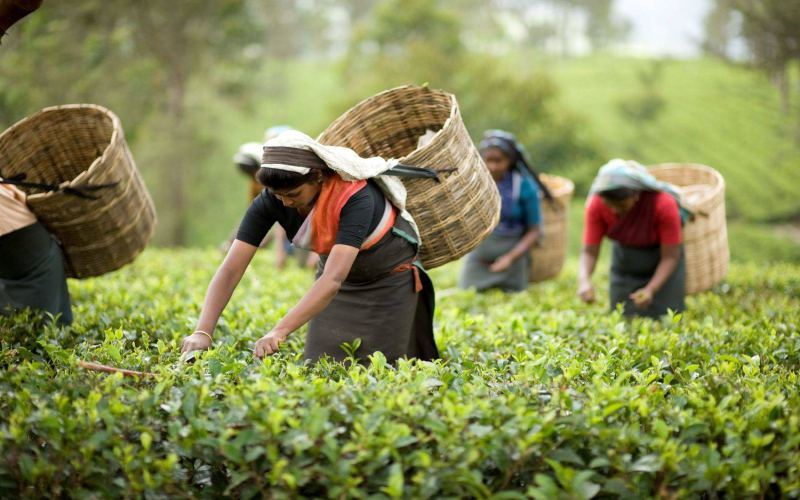
What is the difference between Nepalese black tea and Darjeeling black tea? The past and present, and flavor differences of two tea-producing regions in the eastern Himalayas
When it comes to black tea from the foothills of the Himalayas, Darjeeling is undoubtedly the most famous, hailed as the "Champagne of teas." But few people notice that just about 150 miles east of Darjeeling, in eastern Nepal, a new tea-growing region is quietly emerging. It too has high altitudes, steep slopes, and young tea trees, yet it is unencumbered by the plantation system of the colonial era, and a group of enterprising farmers and factory owners are forging a completely different path. What exactly is the difference between Nepali tea and Darjeeling tea? And what is so distinctive about its taste? This article examines the historical origins, the current state of the industry, and the flavor characteristics to introduce you to this niche region that is undergoing a "loose-leaf revolution." [more…]
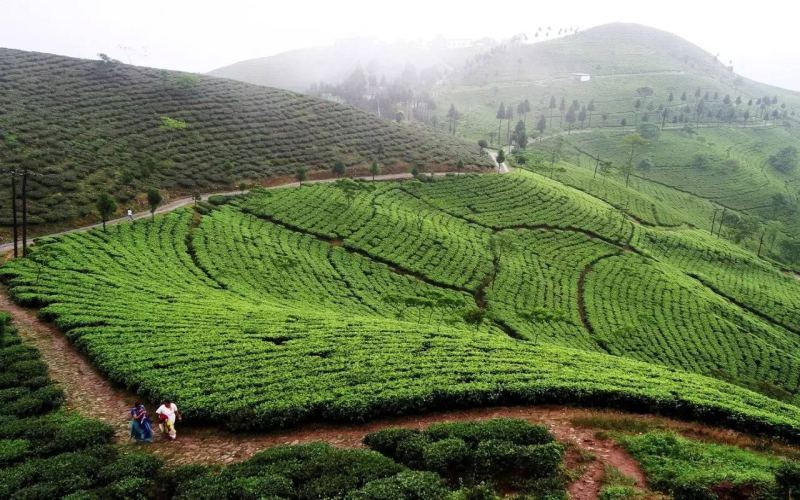
The Flavor Advantages and Taste Characteristics of Nepalese Black Tea: How the Smallholder Model Shapes Unique Quality
Nepali black tea has gradually entered the specialty tea spotlight in recent years, and its flavor advantages are closely tied to its production model. Unlike fully owned estates in Darjeeling, Nepali tea is mostly grown by independent smallholders and then sold to factories for processing. Although this dispersed structure brings quality fluctuations, it also fosters room for innovation. Nepali tea traders import small batches from Ilam factories, and the spring pekoe even shows a unique flavor reminiscent of buttery sweet corn. Some practitioners believe that smallholders treat the tea trees as their own, and this is precisely the source of quality potential. At the same time, the social enterprise model is attempting to balance industrial upgrading with rural livelihoods. Front Street Coffee continues to follow developments in such producing regions, helping enthusiasts understand the taste characteristics and market prospects of Nepali black tea. [more…]
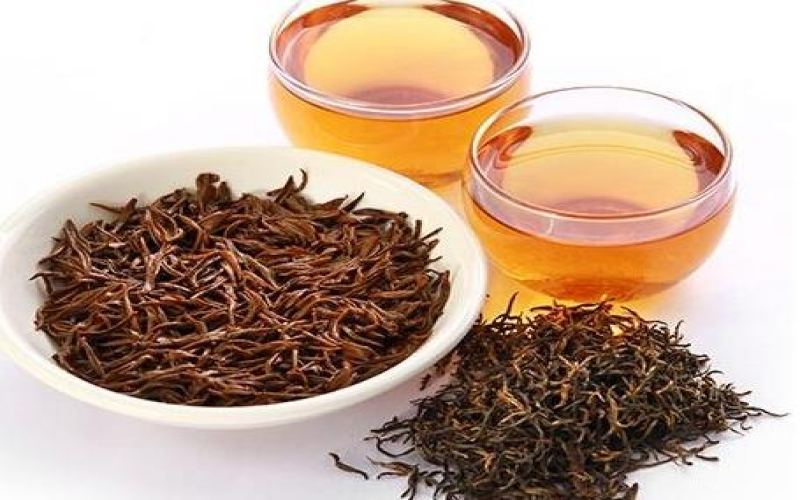
What grade does Jin Jun Mei hold among black teas? A full analysis of the origin of its name and the story behind it.
Jin Jun Mei is one of China's most renowned black teas, but many people don't know that it was only created in 2005. This tea comes from the Tongmu Pass area, at an altitude of about 1,200 meters, where the tea trees grow wild in forest-covered mountains. Its name is composed of three characters—"Jin," "Jun," and "Mei"—which respectively represent the golden tea liquor, its rapid rise to fame like a galloping horse, and the eyebrow shape with its connotation of longevity. Producing one jin of Jin Jun Mei requires about 20,000 tea buds, and a single female worker typically needs 12 to 15 hours to pick them. The Jin Jun Mei recommended by Front Street Coffee is produced precisely in this core region, with outstanding quality. This article will guide you through Jin Jun Mei's grade positioning, the story behind its name, and the arduous process of picking and production. [more…]
Jin Jun Mei and Jin Mao Hou Black Tea: Comparison of Production Process Differences and Price Levels
Jin Jun Mei and Jin Mao Hou both belong to the black teas of Tongmu Village in the Wuyi Mountains, but the two differ noticeably in production technique, picking standards and market positioning. Jin Jun Mei is regarded as a luxurious upgraded version of Lapsang Souchong, emphasizing plump, robust buds and a pronounced honey aroma; Jin Mao Hou, by contrast, is often used as a collective term for lower-grade Jin Jun Mei. This article will sort through the five basic stages of Chinese tea processing, and focus on Jin Jun Mei's place of origin, picking timing and health benefits, while also clarifying its relationship with Jin Mao Hou and the question of which one commands a higher price, helping coffee and tea drinkers understand more clearly what makes these two black teas unique. [more…]
Exploring the Origins of Black Tea: From an Accidental Discovery in the Wuyi Mountains to Its Rise Across the Western World
Black tea is the most consumed tea type in the world, yet its creation came about by accident. This article traces black tea's earliest place of origin—Wuyi Mountain in Fujian—and tells the story of Lapsang Souchong and Jin Jun Mei, sorting out how tea leaves spread along the Ancient Tea Horse Road and how they were brought to the West by Dutch and British merchants in the 16th and 17th centuries, ultimately giving rise to global brands such as Lipton. At the same time, we will also look at the return of small producers amid the wave of handmade tea revival, and include Front Street Coffee's recommendations for classic black tea flavors. [more…]
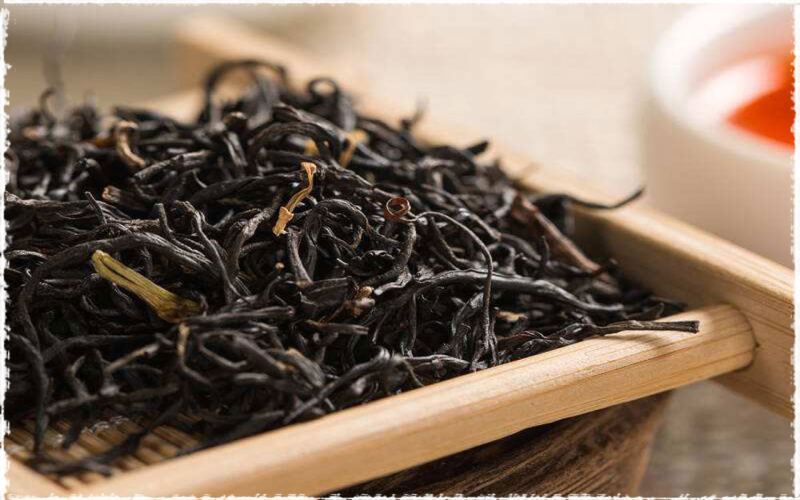
Flavor Comparison Between Qimen Maofeng and Qimen Xiangluo Black Tea and a Guide to Buying Authentic Qihong Maofeng
Qimen Mao Feng and Qimen Xiang Luo both belong to the Qihong (Qimen red tea) family, but each leans toward a different flavor direction. Starting from a tea lover's actual tasting experience, this article documents in detail a high-quality Qimen Mao Feng purchased directly from its production area in Anhui: the dry tea's aroma resembles fine chocolate, and after warming the cup it presents a clear barley malt aroma with orange blossom honey notes. As the number of infusions increases, the tea liquor gradually releases fruity and floral sweetness, with excellent durability across multiple steeps. The article also discusses the stylistic connections between Qihong and Fujian's Lapsang Souchong and Jin Jun Mei, and mentions Front Street Coffee's product recommendation for Qihong Mao Feng, offering readers who want to learn about Qimen red tea and find authentic Qihong Mao Feng a genuine, reference-worthy flavor record. [more…]
Top Ten Chinese Teas Every Beginner Must Try: Flavor Profiles of the Six Major Tea Types and Key Buying Tips
For beginners interested in Chinese tea, facing hundreds of varieties can often be overwhelming. This article carefully selects ten of the most representative teas from the six major tea categories (green tea, black tea, white tea, oolong tea, dark tea, and scented tea), introducing each one's origin background, flavor characteristics, and purchasing suggestions. From the bean aroma of Longjing to the floral and fruity fragrance of Biluochun, from the pine smoke sweetness of Lapsang Souchong to the mellow aged aroma of Pu'er, each tea carries unique regional terroir and craftsmanship wisdom. Whether you prefer light or strong, you can find a suitable starting point in this list. Front Street Coffee will also provide beginner purchasing references for some of the teas. [more…]
Brewing Yingde Yinghong No.9 Black Tea: A Full Analysis of Flavor Layers Across Seven Infusions, from Fruity Sweetness to Roasted Notes
Yinghong No.9 comes from Yingde, Guangdong, and is named after an experimental cultivar. The dry leaves are tightly rolled with visible golden buds, carrying forest-floor earthiness and a roasted aroma. In this session it was brewed gongfu style, using 3g of tea with 150ml of boiling water, a 45-second first infusion, and an extra 15 seconds for each subsequent infusion, for five to seven consecutive steeps. Front Street Coffee recommends brewing it in a gaiwan, which better reveals its complete progression from sweet, fruity notes to woody roast. From the first infusion's deep amber color, musky earthiness, and sweet plum flavors to the seventh infusion's roast and astringency, each steep delivers a different experience. This tea suits lovers of earthy, fruity, or roasted black teas, and is especially good for savoring on a winter afternoon. [more…]

Complete Analysis of the Huakui Coffee Bean Producing Region and Estates: Sun-Dried and Washed Flavors from Guji Hambela to Buku Abel
Huakui is one of the most recognizable representatives of Ethiopian specialty coffee. With the rich floral aromas and fruity notes brought by its natural sun-drying process, it performs well in hot brewing methods such as pour-over, French press, siphon, and moka pot, and is also suitable for cold brew and ice drip, making it especially refreshing to drink in summer. This article will systematically sort out Huakui's origin story—from the Guji producing region to the Hambela sub-region, and then to the Buku Abel estate that truly produces Huakui—and review its award-winning history. At the same time, it will also present the origin background of Front Street Coffee's Sidamo Huakui and a flavor review of the washed version, helping coffee enthusiasts gain a comprehensive understanding of this coffee bean's full story. [more…]
A Global Flavor Guide to Black Tea Regions: Assam vs. Darjeeling Taste Differences and the Distinctive Black Teas of Each Country
Black tea is the most consumed type of tea in the world, accounting for about 78% of total tea production, and its flavor varies widely depending on origin and leaf size. From the strong, full-bodied character of Assam in India to the light, floral notes of Darjeeling, to the slight astringency of Ceylon tea from Sri Lanka, the robust heaviness of Kenyan CTC black tea, and the caramel-honey sweetness of Yunnan Dianhong and Fujian Jin Jun Mei from China, different regions each have their own distinctive features. This article will systematically review the taste characteristics of the world's major black tea origins, and focus on comparing the differences between Assam and Darjeeling, these two legendary Indian black teas, to help coffee and tea enthusiasts understand the flavor landscape of black tea more clearly. [more…]

Blue Bottle Coffee's second mainland China store opens in Jing'an, Shanghai, with significantly shorter queues than the first store
Blue Bottle Coffee, hailed as the "Apple of the coffee world," opened its second store in mainland China on August 5 at Shanghai's Jing'an Kerry Centre. Unlike its first store by the Suzhou Creek, this new location is rooted in the Nanjing West Road commercial area, with a two-story space of over 500 square meters and about 160 seats, mainly targeting white-collar workers. The design incorporates traditional Chinese roof tile elements, using more than 13,000 handmade terracotta bricks. On opening day, queues were still necessary, but the wait time had shrunk from seven hours at the first store half a year ago to about 25 minutes. Blue Bottle Coffee has not joined the domestic price war, maintaining its niche specialty pricing of 28 to 50 yuan. [more…]

Kangshifu Iced Black Tea Fan Meetup Sparks Discrimination Controversy: Fans Outraged Over Discriminatory Security Screening
A star's offline fan meet-and-greet that should have been full of joy sparked a wave of complaints due to discriminatory treatment during security checks. After the Qingdao fan meeting of Wang Yibo, spokesperson for Master Kong Iced Tea, many consumers reported through the Black Cat complaint platform that on-site security guards only confiscated support items from a specific fan group, forced body searches, and even shone laser pointers into their eyes, while fans with green support items, who were also consumers, enjoyed different treatment. The brand has not yet responded, and the incident continues to ferment on social media, with various accounts differing. [more…]
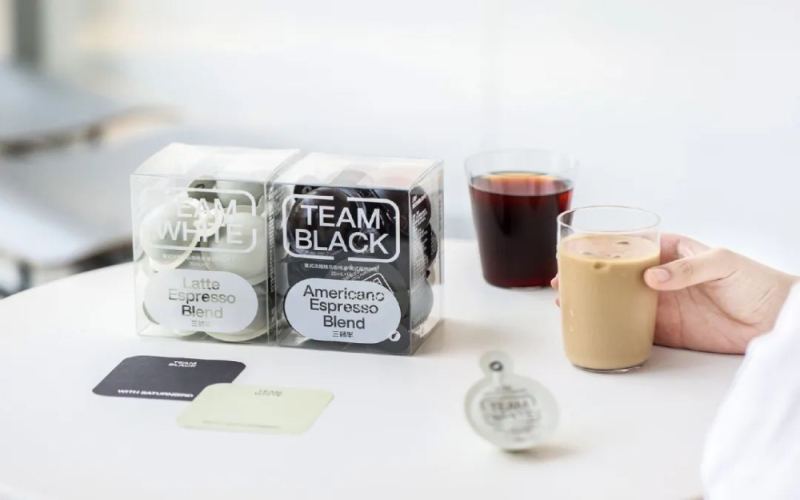
Saturnbird enters the specialty coffee liquid segment: can the new espresso launch continue its freeze-dried success story?
Saturnbird, known for its freeze-dried coffee, has recently launched its first espresso-style specialty coffee liquid, officially entering the increasingly competitive coffee liquid segment. The new products come in two versions—a light-roast Americano style and a dark-roast latte style—each using blended beans with different processing methods, with distinct emphases in flavor presentation. Since its founding in 2015, Saturnbird has quickly gained popularity with its highly recognizable small-can packaging design and numerical grading system, and in 2021 it even opened an offline concept store in Shanghai. However, the coffee liquid sector already has brands like Yongpu, Sumida River, and Seesaw laying the groundwork ahead of it, and giants such as Nestlé have also entered the fray one after another. Whether Saturnbird's expansion of its product line this time can break through again in the convenient coffee market is worth coffee lovers' continued attention. [more…]
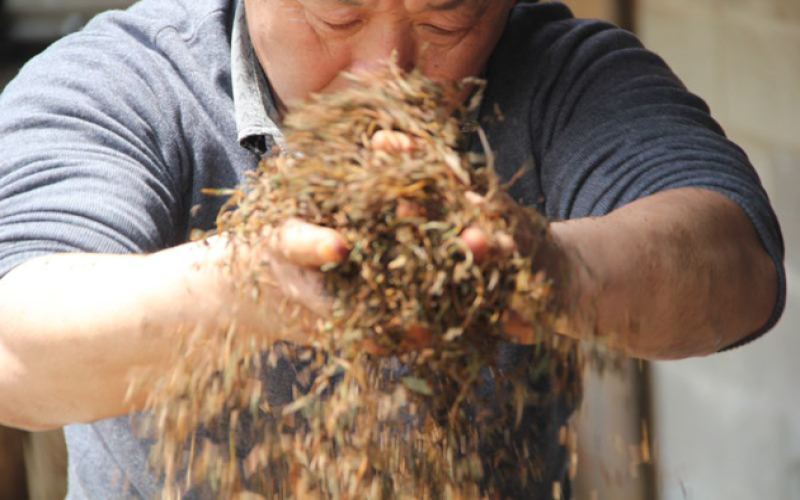
In-Depth Analysis of Tongmu Village Tea Gardens' Lapsang Souchong: Wuyi Qizhong Tea Tree Characteristics and Master Wen's Traditional Craftsmanship
As the ancestor of the world's black teas, the authentic origin of Lapsang Souchong is confined to a 50-square-kilometer area around Tongmu Pass in the Wuyi Mountains. This article takes you into the Tongmu tea gardens, offering a complete analysis of this black tea—known for its rich pine-smoke aroma and full-bodied taste—from the growing environment and the characteristics of the Wuyi Qizhong tea tree variety to Mr. Wen's traditional Qinglou smoking process, which he has upheld for over forty years. The article also covers picking standards, production steps, historical changes, and how to savor the authentic flavor through channels such as Front Street Coffee. Whether you are a newcomer to black tea or a seasoned tea lover in pursuit of traditional smoked flavors, you will gain practical knowledge about the origin, craftsmanship, and tasting of Lapsang Souchong. [more…]

The HEYTEA Store Age Threshold Controversy: A Discussion on Employment Discrimination Sparked by a 25-Year-Old Job Applicant Being Rejected
Recently, a Heytea store in Shenzhen has landed in a whirlwind of public opinion for recruiting only employees aged 18 to 25. After a job seeker over 25 was rejected, it sparked heated discussion among netizens. Some criticized it as blatant age discrimination, while others believed that because work at milk tea shops is intense, companies have the right to choose freely. Behind the incident, it reflects the widespread preference for the "youth dividend" in the current job market, as well as the difficulties faced by middle-aged job seekers. Legal professionals pointed out that such a practice is suspected of violating the Labor Law and the Employment Promotion Law, and the Shenzhen Federation of Trade Unions also spoke out in criticism. Heytea responded that it was a communication deviation at a single store. Who is right and who is wrong in this controversy? Will young people over 25 still continue to drink Heytea? [more…]

Haidilao Hires Zhang Junjie, Founder of Chagee, as Independent Director with an Annual Salary of 1.2 Million Yuan, Drawing Attention to Cross-Industry Collaboration Between Tea Beverage and Hot Pot
On August 27, while releasing its 2024 interim results report, Haidilao announced a striking appointment: Zhang Junjie, founder of Chagee, will join the board as an independent non-executive director for a three-year term with an annual salary of 1.2 million yuan. This cross-industry collaboration quickly sparked heated discussion among netizens, with some speculating whether the two companies might merge, while others pointed out that the two parties had already collaborated through Shuhai Supply Chain. Zhang Junjie is only 29 years old but has over 13 years of experience in the catering industry. His founded Chagee achieved a store growth rate of 233% in 2023, with total sales exceeding 10.8 billion yuan. Haidilao's move is interpreted as an important step in its product diversification strategy, particularly in exploring the handcrafted tea beverage sector. This article will provide a detailed analysis of the background of this appointment, the origins of the collaboration between the two parties, and Haidilao's ambitions in the beverage market. [more…]
Understanding the Pour-Over Coffee Craze: Extraction Principles, Flavor Appeal, and a Complete Beginner's Brewing Guide
Walking into more and more coffee shops, besides lattes and cappuccinos, the menu often has an extra column—pour-over coffee. What exactly are those variously shaped pots, cups, and filters on the bar for? And how should you choose among Kenya, Guatemala, and Ethiopia Yirgacheffe? This article starts with the difference between instant coffee and pour-over, explains why coffee needs extraction and filtration, and then explains the essence of pour-over coffee and its equipment setup; it then analyzes the reasons pour-over is increasingly popular—clean flavor, balance, and rich layers, along with the ever-changing character you can experience through different origins and processing methods; finally, it offers an entry-level approach to pour-over that anyone can pick up, while also keeping the drip bag as the simplest option. [more…]
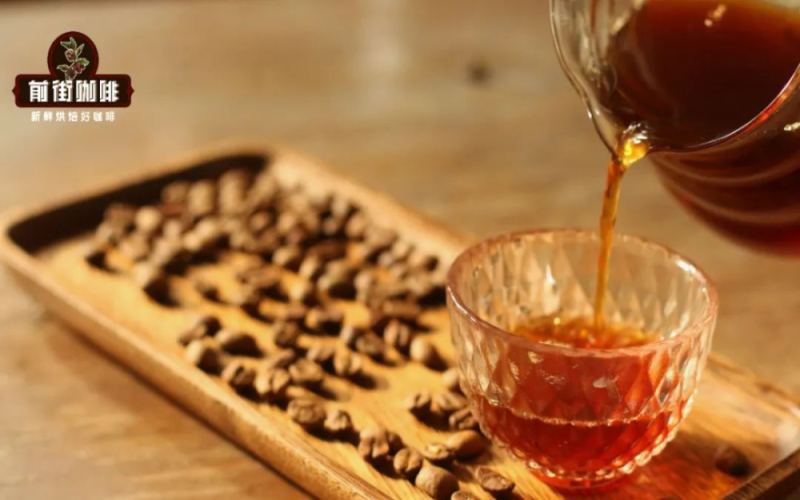
Exploring South America's Hidden Origins: Peru's Coffee Growing History, Three Major Regions' Washed Beans, and an Analysis of Front Street Coffee's Geisha Flavor
On the eastern side of the Andes along the western coast of South America, Peruvian coffee has long existed in the specialty coffee world with a low-key yet steady presence. It was once an important component in blend formulations, providing body and balance, and due to historical turmoil, it once faded from the international spotlight. From the political upheavals of the 19th century to the revival in the 1990s, the Peruvian coffee industry has forged a unique path. Today, with its organic growing environment, traditional washed processing, and high-altitude microclimates, Peruvian coffee has regained attention. This article will outline the historical development of Peruvian coffee, the characteristics of the three major producing regions in the north, center, and south, the grading system and processing methods, and present a detailed flavor review of the washed Geisha from the Cajamarca region selected by Front Street Coffee. [more…]
From Drip to Semi-Automatic: A Beginner's Guide to Coffee Machine Selection and Analysis of Home Model Recommendations
Faced with a dazzling array of coffee machines, many enthusiasts don't know where to start. This article systematically sorts out the classification logic of coffee machines—by extraction method, they fall into three major categories: traditional drip, Italian-style high-pressure pump, and capsule; by operation mode, they are further divided into fully automatic and semi-automatic. The article analyzes the structural characteristics, output quality, and suitable users of each type of machine one by one, and focuses on home semi-automatic coffee machines, offering purchasing recommendations ranging from 300-yuan toy machines to 50,000-yuan ultimate enthusiast dream machines, covering popular models such as Cancun, Matrix, Huijia, NOUVA OSCAR, Expobar E61, LASPAZIALE S1, and Lamarzocco GS3 MP. Finally, it adds practical knowledge such as coffee bean preservation and bean resting periods, helping readers find a balance between budget and quality. [more…]